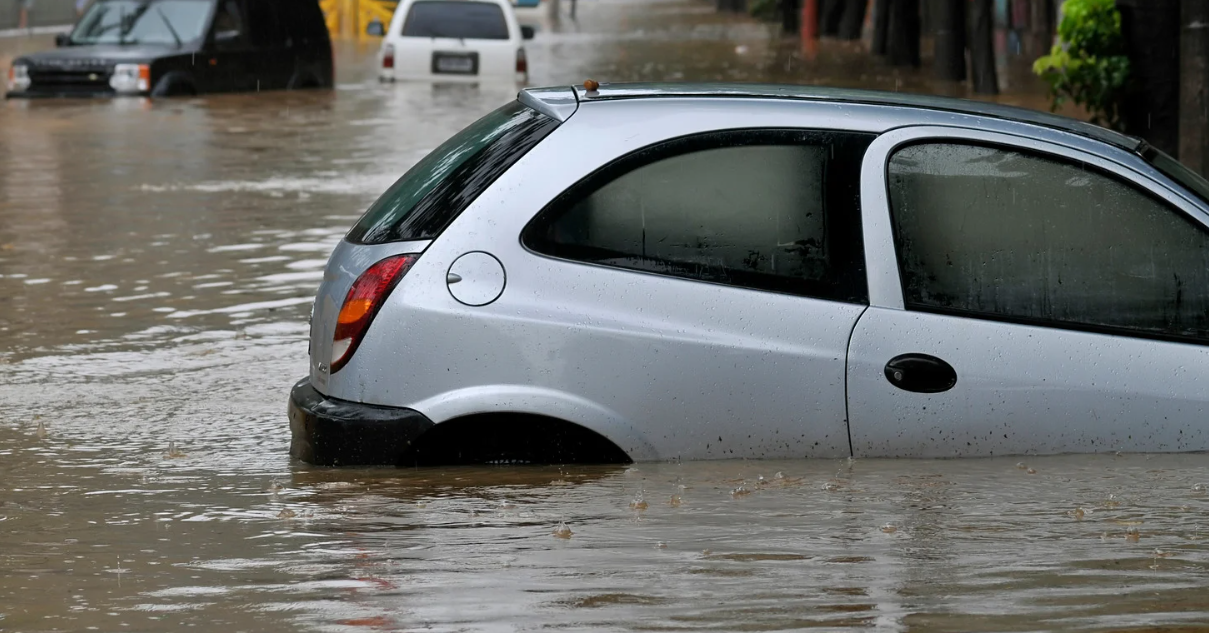
You might wonder if your car insurance protects you from the unpredictable Texas weather. Your car insurance can indeed cover flood damage in the Lone Star State, but only if you have comprehensive coverage as part of your policy.
This protection is not a given with every policy, as the minimum liability insurance required by law does not extend to damage to your own vehicle. A basic policy, therefore, leaves you exposed to the financial burden of flood-related repairs.
The Role of Comprehensive Coverage in Natural Disasters
Comprehensive coverage acts as your safeguard against a range of non-collision events. This includes protection for your vehicle from flooding, hurricanes, heavy rain, theft, and even vandalism.
This type of coverage becomes particularly valuable in flood-prone regions of Texas, such as Houston, Beaumont, and Corpus Christi. Severe weather in these areas can quickly lead to extensive and costly vehicle damage.
Distinguishing Between Liability, Collision, and Comprehensive Policies
Liability insurance, the legal minimum, only covers damages you cause to other vehicles or property. It offers no financial assistance for repairs to your own car.
Collision coverage, conversely, pays for damages to your vehicle resulting from an accident with another car or object. Flood damage, however, falls outside the scope of a collision claim.
Comprehensive coverage specifically addresses non-collision incidents, including natural disasters like floods, hail, or falling objects. It also covers theft and vandalism, providing a broader safety net for your vehicle against unforeseen circumstances.
How Texas State Law Views Flood-Related Vehicle Damage
Texas law does not mandate that drivers carry comprehensive insurance. The state only requires liability coverage, which means the decision to protect your vehicle against flood damage rests entirely with you.
If your vehicle sustains flood damage and you lack comprehensive coverage, you are solely responsible for all repair or replacement costs. This can lead to significant financial strain, especially if your car is declared a total loss.
What Is NOT Covered by Car Insurance in a Flood?
Even with comprehensive coverage, certain items and scenarios will not be covered when your vehicle sustains flood damage. Understanding these limitations helps you better prepare for unforeseen circumstances. It’s wise to review your policy details thoroughly to avoid any surprises after a flood event. You should always be aware of what your specific policy excludes. Some common exclusions can leave you responsible for certain costs, even if your car is otherwise covered for flood damage. Knowing these nuances helps you make informed decisions about protecting your assets.
Personal Property and Valuables Left Inside the Vehicle
Your comprehensive car insurance policy specifically covers damage to your vehicle itself. It does not extend to personal belongings that were inside the car at the time of the flood. This includes items like laptops, phones, clothing, or any other valuables. You might find some relief through your homeowner’s or renter’s insurance policy for these items. These separate policies often provide coverage for personal property, even if it’s damaged while outside your home. Always check your specific homeowner’s or renter’s insurance for details on off-premises coverage.
Coverage Limitations for Aftermarket Parts and Custom Modifications
Standard comprehensive coverage typically covers the factory-installed components of your vehicle. Customizations like specialized rims, enhanced sound systems, or performance upgrades might not be fully covered for flood damage. Their coverage depends on whether you have specifically declared and insured them. Your policy may only cover the original value of the vehicle and its standard parts. You could face significant out-of-pocket expenses if your custom modifications are not explicitly listed and insured. Always discuss any aftermarket additions with your insurance provider when you purchase or renew your policy. You can often purchase additional coverage, sometimes called “custom parts and equipment” (CPE) coverage, to protect your aftermarket modifications. This separate endorsement ensures that the added value of your customizations is factored into your flood damage claim, preventing you from absorbing the full cost of replacing them yourself.
Damage Resulting from Pre-existing Mechanical Issues or Neglect
Comprehensive coverage protects your vehicle from new damage caused by events like floods. It does not cover issues that existed before the flood. This includes mechanical problems or damage from poor maintenance. You are expected to keep your vehicle in good working condition.
If an adjuster finds that pre-existing issues worsened the flood damage, your claim may be reduced or denied. Insurance is designed to cover unexpected events, not neglect or wear and tear. For example, an existing engine problem could impact your claim if floodwaters make it worse.
It’s important to fix mechanical issues as soon as possible. Keeping your vehicle maintained helps ensure full protection, especially in flood-prone areas.
Why Flood Risk Is So High in Texas
Understanding Texas’s unique geography and weather patterns helps explain why flood damage is a persistent concern for vehicle owners. You face a combination of coastal vulnerabilities, urban development challenges, and specific geological features that amplify flood risks across the state. This distinct set of environmental factors means that even a standard rain shower can quickly escalate into a serious flooding event, putting your vehicle at risk if you lack comprehensive coverage.
The Impact of Gulf Coast Hurricanes and Tropical Storms
Texas’s extensive coastline along the Gulf of Mexico makes it a prime target for hurricanes and tropical storms. These powerful weather systems bring torrential rainfall, often leading to widespread flooding in coastal cities like Houston, Beaumont, and Corpus Christi. Such events can quickly submerge roads and low-lying areas, trapping vehicles and causing significant water damage. You must consider the immediate and lingering flood threats these storms present to your automobile.
Flash Flooding Vulnerabilities in Major Urban Centers like Houston and Dallas
Rapid urbanization in Texas’s major cities, including Houston and Dallas, has created vast expanses of impervious surfaces. Concrete and asphalt prevent rainwater from naturally absorbing into the ground, leading to rapid runoff and overwhelming drainage systems. This accelerates flash flooding, turning city streets into rivers in a matter of minutes. You can find your vehicle quickly submerged even during moderate rainfall due to this urban reality. Houston’s flat terrain and proximity to the Gulf exacerbate these issues, making it particularly susceptible to significant flooding. Dallas also experiences similar problems, where intense storms can swiftly inundate underpasses and low-lying areas, posing a direct threat to vehicles.
The Geographic Reality of “Flash Flood Alley” in Central Texas
Central Texas is famously known as “Flash Flood Alley,” a region characterized by unique geological features that make it highly prone to sudden, severe flooding. The Edwards Plateau, with its steep canyons and thin soil, struggles to absorb heavy rainfall. Water rapidly flows into river basins, causing rivers and creeks to swell dramatically and unexpectedly. You can experience sudden and dangerous flash floods here, even when storms occur miles away. This area, stretching from Dallas/Fort Worth down to San Antonio and Austin, is particularly susceptible to flash flooding because of its combination of hilly terrain and shallow, limestone-rich soils. These conditions prevent water absorption, leading to rapid accumulation and dangerous torrents that can quickly overtake roads and low-lying areas.
What to Do If Your Car Is Flooded
When your car encounters floodwaters, a swift and informed response is key to mitigating damage and streamlining your insurance claim. Your immediate actions can significantly impact the outcome, potentially preventing further harm and ensuring a smoother recovery process. You will need to prioritize your safety and the integrity of your vehicle, especially if you have comprehensive coverage protecting against flood damage.
Immediate Safety Protocols and Avoiding the “Hydrolock” Risk
Never attempt to start a flooded vehicle. Water in the engine can cause severe internal damage, a phenomenon known as “hydrolock.” This can turn a potentially repairable situation into a total loss. Instead, disconnect the car’s battery if it is safe to do so. This action can help prevent electrical shorts and further damage to sensitive electronic components.
Documenting Damage: Essential Evidence for Your Insurance Adjuster
Take extensive photographs and videos of your vehicle from multiple angles. Capture both the exterior and interior, showing the water line and any visible damage. Record the water level both inside and outside the car. This visual evidence will be invaluable for your insurance adjuster when assessing the extent of the flood damage. You should also document any personal belongings inside the vehicle that have been damaged by water. Make a detailed list of these items, noting their condition.
Initial Mitigation Steps to Prevent Secondary Mold and Mildew Growth
Open all doors and windows to air out the vehicle as much as possible. This helps to begin the drying process and reduce humidity inside the cabin. Remove any wet floor mats, carpets, and upholstery that you can safely extract. Prompt removal can help prevent the rapid growth of mold and mildew. Placing fans or dehumidifiers in and around the vehicle can accelerate drying. This proactive approach can significantly reduce the risk of secondary damage from mold, which can quickly become a much larger problem.
The Claims Process for Flood-Damaged Vehicles
Initiating a claim after your vehicle sustains flood damage requires a clear understanding of the steps involved. You will need to act quickly and methodically to ensure your claim is processed efficiently, especially if your comprehensive coverage is in place.
This section outlines the journey from initial notification to receiving your payout, providing you with the knowledge to manage expectations and advocate for yourself throughout the process.
Prompt Notification and Filing Your Claim with Your Provider
Contacting your insurance provider immediately after a flood event is your first and most important step. You should not attempt to start your flooded vehicle, as this can worsen electrical damage and potentially jeopardize your claim.
Document the damage thoroughly with photos and videos before contacting your insurer. This initial evidence will support your claim when you formally file it with your provider.
Navigating the Inspection: What to Expect from the Insurance Adjuster
An insurance adjuster will be assigned to assess the extent of the flood damage to your vehicle. You should be prepared to provide them with all documentation you collected, including photos and any details about the flood event.
The adjuster will meticulously examine your car, looking for water lines, assessing electrical components, and determining the overall impact of the water. Their assessment will largely dictate whether your vehicle is deemed repairable or a total loss.
The adjuster’s examination often involves checking under the hood, inside the cabin, and even the undercarriage for signs of water intrusion. They will look for corrosion, dampness, and any signs that critical systems have been compromised. They will also consider the vehicle’s make, model, and age when evaluating the cost-effectiveness of repairs versus declaring it a total loss.
Understanding the Timeline for Claim Approval and Payouts
The timeline for claim approval and payout can vary significantly depending on the severity of the damage and the volume of claims your insurer is handling, especially after widespread flooding. You will receive communication regarding the adjuster’s findings and the next steps.
Payouts for repairs or a total loss are typically issued once the claim is approved. This process can take several weeks, so maintaining open communication with your insurance provider is beneficial.
For a total loss, your payout will typically be based on the actual cash value (ACV) of your vehicle at the time of the flood, minus your deductible. If your vehicle is repairable, the payout will cover the cost of repairs, again, less your deductible. You should clarify any questions about the valuation or repair estimates with your provider to ensure transparency and fairness in the settlement.
Is Flood Damage Worth Filing a Claim?
Determining whether to file a claim for flood damage involves several considerations beyond just the immediate repair costs. You should carefully weigh the financial implications, including your deductible, potential premium increases, and the long-term impact on your vehicle’s value. Every situation is unique, and what makes sense for one driver might not be the best course of action for another. You have to consider the extent of the damage your vehicle sustained. Minor water intrusion might be manageable out-of-pocket, while significant electrical or engine damage often necessitates an insurance claim. A thorough assessment of the damage is your first step in making an informed decision about proceeding with a claim.
Comparing the Cost of Your Deductible Against Estimated Repair Costs
The deductible is the amount you pay out-of-pocket before your insurance coverage kicks in. You should compare this amount directly against the estimated cost of repairing the flood damage. If the repair estimate is only slightly higher than your deductible, paying for repairs yourself might be more financially advantageous. You can also request multiple repair estimates to get a clear picture of the costs involved. This comparison helps you decide if filing a claim is truly beneficial, considering your financial contribution.
| Consideration | Action/Recommendation |
| Repair Estimate < Deductible | Pay out-of-pocket. |
| Repair Estimate Slightly > Deductible | Evaluate potential premium increase vs. out-of-pocket. |
| Repair Estimate Significantly > Deductible | File a claim. |
The Impact of a Flood Claim on Your Vehicle’s Title and Resale Value
A flood damage claim can significantly affect your vehicle’s title. Vehicles deemed a total loss due to flood damage often receive a “salvage” or “flood” title, which denotes severe damage. This designation can drastically reduce your car’s resale value and make it harder to sell in the future. You may find potential buyers hesitant to purchase a vehicle with a flood-damaged title, even if repairs have been completed. The stigma associated with flood damage can linger, regardless of how well the car has been restored. The presence of a flood claim on your vehicle’s history report can deter future buyers. Many consumers use services like CarFax or AutoCheck, and a flood designation will be prominently displayed. This transparency, while beneficial for buyers, works against the seller in terms of resale value.
Weighing the Benefits of a Total Loss Settlement for Severe Damage
Your insurance company may declare your vehicle a total loss if repair costs exceed its actual cash value. This is also based on a percentage threshold set by the insurer. When this happens, you receive a payout based on the vehicle’s value, minus your deductible.
A total loss settlement can provide a clean financial reset. Instead of dealing with ongoing repairs, you can use the payout toward a replacement vehicle. This is often the better option for flood-damaged cars. Water damage can cause hidden electrical issues and mold growth over time.
Vehicles with water reaching the dashboard or higher are especially at risk for long-term problems. Even after repairs, issues may continue to surface. A total loss allows you to avoid future headaches and unexpected costs. It gives you the opportunity to move on and invest in a more reliable vehicle.
How Much Does Comprehensive Coverage Cost in Texas?
Understanding the cost of comprehensive coverage in Texas helps you budget for this necessary protection. Your premium for comprehensive insurance will vary based on several factors unique to you and your vehicle. You can expect to find comprehensive coverage an affordable addition to your policy, especially when considering the financial burden of replacing your car after a flood. This coverage offers significant protection against non-collision damage.
Factors Influencing Premiums: Location, Vehicle Make, and Driving History
Several elements directly impact your comprehensive premium in Texas. Your geographical location within the state, particularly if you reside in flood-prone areas, plays a significant role. The specific make and model of your vehicle also influence costs, as some cars are more expensive to repair or replace. Finally, your personal driving history, including any past claims or infractions, will be considered. Perceiving these factors helps you understand your personalized quote.
Comparing Texas Comprehensive Rates to National Averages
You will find Texas comprehensive rates generally align with national averages, though regional variations exist. The state’s unique weather patterns can influence pricing.
| Factor | Texas Average | National Average |
|---|---|---|
| Monthly Premium | $10 – $30 | $15 – $35 |
| Annual Premium | $120 – $360 | $180 – $420 |
This comparison table provides a general overview, but your specific rate will depend on individual circumstances. Texas drivers often experience rates within a similar range to those across the country, with minor fluctuations influenced by local risks like severe weather.
Practical Strategies for Lowering Your Monthly Insurance Premiums
You can employ several strategies to reduce your comprehensive coverage costs. Increasing your deductible is one straightforward method, as it means you’ll pay more out-of-pocket in the event of a claim, but your monthly premium will decrease. Bundling your car insurance with other policies, such as home or renters insurance, often leads to significant discounts. You should also inquire about any available discounts for safe driving, anti-theft devices, or completing defensive driving courses. Regularly comparing quotes from different providers ensures you are getting the most competitive rate for your comprehensive coverage.
How to Protect Your Car From Flood Damage
You can take proactive steps to safeguard your vehicle when floodwaters threaten. Preparing your car and knowing local resources can significantly reduce the risk of damage, even in severe weather. Preventing flood damage extends beyond insurance; it involves strategic planning and awareness. Protecting your investment requires vigilance, especially in Texas’s unpredictable weather patterns.
Strategic Parking and Identifying High-Ground Alternatives
Locating safe parking is your first line of defense against rising waters. Seek elevated areas such as parking garages, the upper levels of multi-story lots, or designated flood-safe zones. Consider your regular parking spots; are they prone to accumulating water during heavy rain? Always prioritize moving your vehicle to higher ground well before flood warnings escalate.
Utilizing Real-Time Weather Alerts and Texas Emergency Warning Systems
Staying informed about weather conditions can give you precious time to act. Subscribe to local weather alerts and emergency warning systems provided by Texas authorities. These alerts deliver timely notifications about impending storms, flash flood warnings, and evacuation orders directly to your phone. Knowing what’s coming allows you to move your vehicle to safety. Many Texas counties offer free SMS or email alert services that provide specific, localized weather updates. These systems often integrate with NOAA Weather Radio, ensuring you receive the most accurate and immediate information available for your area.
Investing in Protective Flood Bags and Specialized Vehicle Covers
Consider specialized products designed to offer an extra layer of protection. Vehicle flood bags, importantly large, waterproof enclosures, can completely seal your car from rising water. Another option is heavy-duty, waterproof car covers, which, while not offering full flood protection, can shield against light flooding and wind-driven rain, preventing some water ingress. These specialized flood bags are typically made from durable, puncture-resistant materials and come with sealing mechanisms to create a watertight seal around your vehicle. They are a practical solution for those living in extremely flood-prone areas where moving a car to higher ground isn’t always feasible or immediate.
Assessing the Value: Total Loss vs. Repairable Damage
When your vehicle sustains flood damage, your insurer will determine if it’s a total loss or repairable. This assessment involves a detailed evaluation of the damage incurred, particularly focusing on the electrical systems, interior, and mechanical components. The cost of repairs is then compared against the car’s actual cash value (ACV) before the flood. You might find your car declared a total loss if the repair expenses exceed a certain percentage of its ACV. This declaration means your insurance company will pay you the vehicle’s value, minus your deductible, rather than funding the repairs. Understanding this threshold is key to anticipating your claim’s outcome.
How Insurers Calculate the Total Loss Threshold in Texas
Insurers in Texas use a specific formula to decide if your flood-damaged car is a total loss. They compare the estimated repair costs, parts, and labor, against your vehicle’s actual cash value just before the incident. This calculation directly influences whether your car is repaired or deemed a total loss. Your insurance company will declare a total loss if the repair costs, combined with the salvage value of the vehicle, reach or exceed a certain percentage of its pre-flood ACV. This percentage, often set by state law or internal company policy, prevents paying more to fix a car than it is worth.
The Critical Difference Between Freshwater and Saltwater Submersion
Freshwater damage often presents different challenges compared to saltwater submersion. Freshwater, while still destructive to electronics and interiors, generally causes less immediate and severe corrosion to metal components. Repair options might be more feasible for freshwater-damaged vehicles, depending on the extent and duration of the flood. Saltwater, however, accelerates corrosion at an alarming rate, making repairs far more complex and often economically unfeasible. The salt residue permeates every crevice, rapidly deteriorating electrical systems, metal parts, and even the vehicle’s frame. Such extensive corrosion frequently leads to a total loss declaration due to the prohibitive cost and long-term reliability concerns of attempting repairs.
Navigating Texas DMV Regulations Regarding Salvage and Non-Repairable Titles
If your flood-damaged vehicle is declared a total loss, the Texas DMV will assign a new title. It will be labeled as either salvage or non-repairable. A salvage title means the vehicle may be repaired and returned to the road. It must pass a strict inspection before it can be driven again. However, the title remains branded and reduces resale value.
A non-repairable title means the vehicle cannot be safely driven again. It cannot be repaired or registered for road use in Texas. These vehicles are usually sold for parts or scrapped. Understanding the difference is important. A salvage title requires inspections and steps to re-register the vehicle. A non-repairable title means the vehicle is permanently off the road.
Common Misconceptions About Texas Auto Insurance
Many Texas drivers misunderstand the extent of their auto insurance coverage, especially regarding natural disasters. You might assume your standard policy offers full protection against all perils, but this is rarely the case.
A basic liability-only policy, while fulfilling legal requirements, leaves significant gaps in your financial safety net. Understanding these distinctions can save you from substantial out-of-pocket expenses after an unexpected event.
Why Liability-Only Policies Leave You Vulnerable to Nature
Your liability-only policy protects other drivers and their vehicles in an accident where you are at fault. It does not, however, extend any coverage to your own vehicle.
This means if your car is damaged by a flood, hurricane, or even a falling tree, your liability coverage will offer no financial assistance for repairs or replacement. You would bear the full cost yourself.
The Difference Between FEMA Individual Assistance and Private Auto Insurance
FEMA Individual Assistance provides aid for uninsured or underinsured disaster-related expenses, including some vehicle damage. This assistance is typically granted only after a presidential disaster declaration.
Private auto insurance, specifically comprehensive coverage, offers direct protection for your vehicle against non-collision events like flooding. It acts as your primary defense, processing claims regardless of a federal declaration.
FEMA assistance serves as a safety net of last resort, offering grants or low-interest loans when private insurance falls short or is unavailable. It is not designed to replace comprehensive auto insurance, which provides more immediate and direct coverage for your vehicle in flood events.
Clarifying “Act of God” Clauses in Modern Insurance Contracts
The term “Act of God” often causes confusion, leading some to believe natural disasters are universally excluded from insurance coverage. This concept, however, has evolved significantly in modern insurance.
Today, most comprehensive auto insurance policies explicitly cover damages from natural events like floods, windstorms, and hail. Your policy language, not an archaic “Act of God” clause, dictates what is covered.
While the phrase “Act of God” historically referred to events beyond human control, contemporary insurance contracts specify perils like flooding directly. Your comprehensive coverage is designed to address these specific risks, offering clear protection against the unpredictable forces of nature.
Get Covered Before the Next Storm with Amtex
Protecting your vehicle from the unpredictable Texas weather requires more than just basic liability. You need coverage that specifically addresses the risks unique to our state, like sudden floods and severe storms. Amtex understands these challenges and offers solutions designed to safeguard your investment. Preparing for the next weather event means having the right comprehensive coverage in place *before* the skies open up.
Tailored Insurance Solutions Designed for the Texas Climate
Your vehicle faces unique risks depending on where you live in Texas. A policy from Amtex takes into account the specific weather patterns and flood zones that impact your area. We offer customized comprehensive coverage that goes beyond basic requirements, ensuring your car is protected from water damage, hail, and other storm-related incidents.
Navigating Policy Options with Amtex Specialized Agents
Understanding the nuances of comprehensive coverage can feel overwhelming. Our specialized agents at Amtex Insurance are here to simplify the process for you. They will clearly explain how comprehensive coverage protects your vehicle from non-collision events, including those severe Texas floods. You can ask any questions about deductibles and coverage limits. An Amtex agent will walk you through various policy options, helping you select the best comprehensive plan that fits your budget and provides peace of mind. They ensure you fully understand what your policy covers, especially concerning flood damage, before you finalize your decision.
Securing Immediate Protection Against Unpredictable Texas Weather
Waiting until a storm is near is too late to add protection. You need coverage in place before severe weather hits. Comprehensive coverage protects your vehicle from floods and other non-collision damage. Liability insurance alone will not cover flood damage. Amtex makes it easy to add comprehensive coverage or start a new policy quickly. Taking action now helps protect your vehicle and your finances. Without coverage, flood damage can lead to expensive repairs or total loss.
In summary, flood damage is only covered if you have comprehensive coverage in Texas. Liability policies do not protect your vehicle from flooding. Adding comprehensive coverage helps reduce financial risk, especially in flood-prone areas. If your car floods, do not start the engine. Document the damage and file a claim right away. Being prepared now can save you from major costs later.
FAQ
Does car insurance cover flood damage in Texas?
Car insurance only covers flood damage in Texas if you have comprehensive coverage. Liability insurance does not cover flood-related damage.
What type of insurance covers flood damage?
Comprehensive coverage is the type of car insurance that covers flood damage, along with other non-collision events like theft and weather.
Does liability insurance cover flooding?
No, liability insurance does not cover flood damage. It only covers damage or injuries you cause to others.
Is flood damage considered comprehensive?
Yes, flood damage is covered under comprehensive insurance, which protects against non-collision events.
What happens if my car is totaled by a flood?
If your car is totaled, your insurer will pay its actual cash value minus your deductible. The vehicle may receive a salvage or non-repairable title.
How do I file a flood damage claim?
Document the damage, contact your insurance provider, file a claim, and follow their instructions for inspection and repair or payout.
Does insurance cover water damage to the engine?
Yes, if you have comprehensive coverage. However, pre-existing issues may affect your claim.
Is flood coverage required in Texas?
No, flood coverage is not required by law in Texas. It is optional but highly recommended.
How much does comprehensive insurance cost?
Comprehensive coverage in Texas typically costs between $10 and $30 per month, depending on your vehicle and location.
Can I add flood coverage anytime?
Yes, you can add comprehensive coverage at any time, but it must be active before a flood occurs to be covered.
Does insurance cover personal items in my car?
No, car insurance usually does not cover personal belongings. These may be covered under renters or homeowners insurance.
Is flood damage common in Texas?
Yes, flood damage is common in Texas due to heavy rain, hurricanes, and flash flooding in many areas.