This guide walks you through the immediate aftermath of a Texas car accident. You’ll learn the necessary steps to take, protecting your rights and ensuring you handle everything correctly. Knowing these actions can make a stressful situation much more manageable.
Call the police (when required in Texas): do you really have to?
You might be thinking, “Do I really need to get the police involved for a fender bender?” It’s a fair question, and the answer isn’t always a straightforward “yes.” While some minor incidents might not absolutely demand a police presence, there are definite scenarios in Texas where dialing 911 isn’t just a good idea, it’s actually required by law.
Understanding these distinctions can save you a whole lot of headaches down the line. Knowing when to call and when you *can* potentially skip it (though we often recommend calling anyway, just to be safe) is a key part of handling a Texas car accident like a pro.
When it’s actually a legal requirement to get the cops there
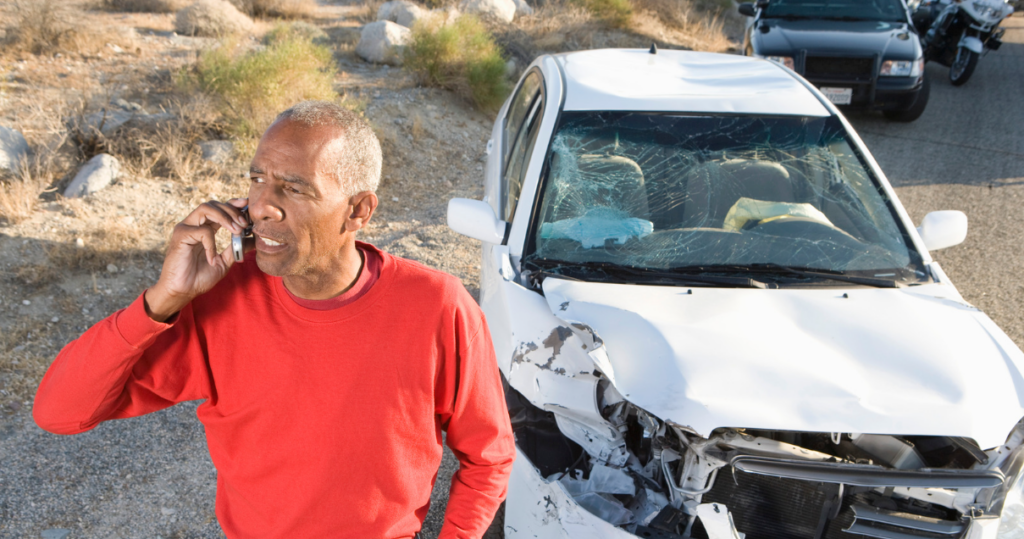
Texas law is pretty clear about when you absolutely must report an accident to the police. If anyone involved in the crash is injured or, tragically, killed, then calling the authorities is non-negotiable. You’ve got to get them there.
Another big one is property damage that appears to be over $1,000. This might seem like a lot, but let’s be real, even minor bumper damage can easily hit that mark these days. If there’s any doubt about the damage amount, better to err on the side of caution and make that call.
Why having an official report is the real deal for your case
Picture this: you’re trying to explain what happened to your insurance company, or even worse, to a lawyer representing the other driver. Without an official police report, it’s pretty much your word against theirs. A police report creates an unbiased, documented account of the accident scene, outlining details like road conditions, vehicle positions, and initial statements from drivers and witnesses.
This report becomes a solid piece of evidence. It’s not just some scribbled notes; it’s an official document that insurance companies and courts take seriously. It can really help establish who was at fault, which, in a “fault state” like Texas, directly impacts who pays for damages.
An official report also helps when dealing with potential disputes down the road. It provides a consistent narrative that’s hard to argue with, making the claims process smoother for you. Without it, you might find yourself in a much tougher spot trying to prove your side of the story.
Exchange information with the other driver: my top tips for you
Okay, so you’ve checked for injuries and gotten to a safe spot. What’s next in this whirlwind of stress? It’s time to exchange information with the other driver, and doing it right can save you a lot of headaches later on. This isn’t just about being polite; it’s about protecting yourself financially and legally, especially since Texas is a “fault” state. You need to gather specific details, but how do you do that calmly when your adrenaline is probably through the roof? Just breathe, and remember these key points. Perceiving this as a data-gathering mission, not a blame game, helps a lot.
What details you honestly need to get before you leave
What exactly should you be writing down or snapping photos of? You want to get the other driver’s full name, their contact number, and their email address if they have one. Don’t forget their insurance company and policy number – that’s super important for the claims process. You also need to grab the license plate number of their vehicle and, if possible, the make, model, and year of their car. Getting their driver’s license number is also a good idea. Every little bit of information helps paint a complete picture for your insurance company and the police report.
Why you shouldn’t apologize-seriously, don’t do it
You might feel a natural urge to say “I’m sorry” after an accident, especially if you’re a generally empathetic person. But seriously, don’t do it. Even if you think you might be partially at fault, or even if you’re just apologizing for the inconvenience, those words can be twisted and used against you later. An apology can be interpreted as an admission of guilt, and in a “fault” state like Texas, that can have huge implications for who pays for the damages. Just stick to the facts and exchange information without taking responsibility for the incident.
Keep your statements neutral. Think about it this way: your immediate reaction might be driven by shock or politeness, not a clear understanding of what actually happened. You haven’t fully assessed the scene, seen all the angles, or heard any witness statements yet. Saying “I’m sorry” prematurely can complicate your insurance claim and potentially lead to you being held liable for costs that aren’t truly your responsibility. Just focus on information gathering and safety, leave the apologies out of it.
Document the accident scene: the factors that matter for your claim
Many people think documenting the scene just means snapping a few quick pics and calling it a day, but there’s actually a bit more to it. Getting the right details down immediately after an accident in Texas can seriously impact your claim. You’re trying to build a clear picture of what happened, right? Perceiving every small detail can be the difference between a smooth insurance process and a long, drawn-out battle.
- Get photos of all vehicles involved.
- Capture the damage from multiple angles.
- Note road conditions, like potholes or skid marks.
- Look for traffic signs or signals nearby.
Taking photos that actually show what happened
Simply snapping a picture of a dent isn’t enough; you need to think like an investigator. What story do your photos tell? Make sure you’re getting wide shots that show the position of the vehicles relative to each other and the road, then zoom in for close-ups of specific damage. You’ll also want to capture the surrounding environment – weather conditions, traffic signs, even debris on the road. These little things can paint a much clearer picture for your insurance company and, if necessary, for the courts.
Why grabbing witness info is a total game-changer
It’s easy to overlook witnesses in the chaos after an accident, but their unbiased accounts can be incredibly powerful. Other drivers or pedestrians who saw what happened can offer a neutral perspective, which often carries more weight than just your word against the other driver’s. Did someone see the other car run a red light? Or maybe they noticed a distracted driver? Their observations can back up your version of events and really solidify your claim. Seriously, getting names, phone numbers, and even email addresses from anyone who saw the accident unfold is invaluable. These folks can provide objective testimony that can be the deciding factor in fault disputes, especially if the other driver tries to change their story later.
Report the accident to your insurance company: pros and cons
Filing a claim with your insurance company right after an accident sets things in motion for repairs and medical bills. You’ll want to share all the details you’ve gathered – photos, witness info, the police report – so they have the full picture. This initial report helps protect you, ensuring your side of the story is documented early. Your insurer can then start working on your behalf, whether it’s dealing with the other driver’s company or arranging for your vehicle’s repairs.
| Pros | Cons |
|---|---|
| Starts the claims process quickly. | Potential for increased premiums. |
| Your insurer can advocate for you. | Impact on your claims history. |
| Ensures proper documentation. | Time spent providing details. |
| Access to rental car benefits. | May be stressful. |
| Covers medical expenses. |
Why being upfront with your agent helps you in the long run
Being open and honest with your insurance agent from the start can really smooth out the whole process. They’re there to guide you through the claims maze, making sure you understand what’s covered and what steps come next. Think of them as your personal assistant for accident recovery. You want them to have all the facts, even the tiny ones, because that helps them build the strongest case for your claim. This honesty builds trust and often leads to a quicker, less stressful resolution.
The downside of chatting with the other driver’s adjuster
Talking to the other driver’s insurance adjuster can feel like walking into a trap, honestly. Their main job is to protect their client and their company’s bottom line, which often means trying to minimize what they pay out. They might ask leading questions or try to get you to admit some fault, even if you weren’t to blame. You don’t want to accidentally say something that could hurt your own claim or give them an excuse to pay you less. It’s often best to let your own insurance company handle those conversations. When the other driver’s adjuster calls, they’re not calling to be your friend or to look out for your best interests; they’re gathering information that could be used against you. They might sound sympathetic, but every word you say could be recorded and later used to reduce the amount they have to pay for your damages or injuries. It’s a tricky situation, and you really need to be careful about what information you share.
Understand Texas fault laws and what happens next: what types of rules apply?
Texas operates under a “fault” system for car accidents, which means whoever caused the crash is generally responsible for paying the damages. This system can get a bit complicated, as it’s not always a clear-cut “one person is 100% at fault” scenario. Often, both drivers might share some blame. Figuring out fault determines who covers what, so understanding these rules is pretty important for your claim. The implications of fault extend to your insurance rates, your ability to collect compensation, and even potential legal actions.
- You’ll need proof of financial responsibility.
- Insurance companies will investigate to determine fault.
- The police report often plays a big role in fault determination.
- You could still recover damages even if you’re partially at fault.
The state uses a specific rule to handle situations where multiple parties share blame.
| Fault State Definition | The person who caused the accident pays for damages. |
| Comparative Fault | Texas uses a modified comparative fault system. |
| “51 Percent Rule” | You can only recover damages if you are 50% or less at fault. |
| Impact on Claims | Your compensation is reduced by your percentage of fault. |
| No-Fault States | Some states require your own insurance to pay, regardless of fault (Texas is not one of these). |
How the ’51 percent’ rule works in plain English
So, what does this “51 percent” rule actually mean for you? Well, it’s pretty straightforward: if you are found to be 51% or more responsible for the accident, you can’t recover any damages from the other driver. It’s like a cutoff point. However, if you’re found to be 50% or less at fault, you can still get compensation, but your recovery amount will be reduced by your percentage of fault. For example, if you’re awarded $10,000 but are 20% at fault, you’d only receive $8,000.
Why I think knowing your rights changes everything
Knowing your rights after an accident isn’t just about legal jargon; it’s about protecting yourself when you’re vulnerable. Many people don’t realize how much power they have, or how easily they can accidentally hurt their own case by saying the wrong thing. Understanding these rules before you even need them can give you a huge advantage. It means you won’t be caught off guard by insurance company tactics or feel pressured into accepting a lowball offer. It really does change the whole game when you know what to expect and what you’re entitled to. You’re not just a victim; you’re someone who understands the process and can advocate for their own best interests, which is a big deal when you’re dealing with injuries and vehicle damage.
To wrap up
Drawing together these critical steps, you can see that responding to a car accident in Texas demands prompt action and clear thinking. You’re not just dealing with the immediate aftermath; you’re laying the groundwork for your recovery and any potential legal claims. Did you gather all the necessary information? Did you document everything thoroughly? These actions can truly make or break your ability to navigate the complexities that follow.
You have a clear roadmap now, one that helps protect your health, your wallet, and your peace of mind. Taking these steps seriously, from checking for injuries to contacting your insurance, ensures you’re doing everything possible to handle a challenging situation. You don’t want to look back later and wish you’d done more, do you?
At Amtex Insurance, we understand how stressful a car accident can be, which is why we’re here to help you navigate what comes next. With over 25 years of experience serving Texas drivers, our team can guide you through your auto insurance options, help you file a claim, and make sure you have the coverage you need moving forward. Whether you’re reviewing your current policy or looking for better protection after an accident, Amtex Insurance makes it easy to get the support you need.
FAQ
What should I do first after a car accident in Texas?
Check for injuries, move to a safe location if possible, and call 911 if anyone is hurt.
Do I need to call the police after a car accident in Texas?
You should call the police if there are injuries, significant damage, or if you need an official report for insurance.
What information should I exchange after an accident?
Exchange names, contact details, driver’s license, vehicle information, and insurance details.
Should I admit fault at the scene of an accident?
No, avoid admitting fault and stick to exchanging information and cooperating with authorities.
Should I take photos after a car accident?
Yes, take photos of vehicle damage, the accident scene, road conditions, and any relevant details.
Should I see a doctor after a car accident even if I feel fine?
Yes, some injuries may not appear immediately, and medical records help support insurance claims.